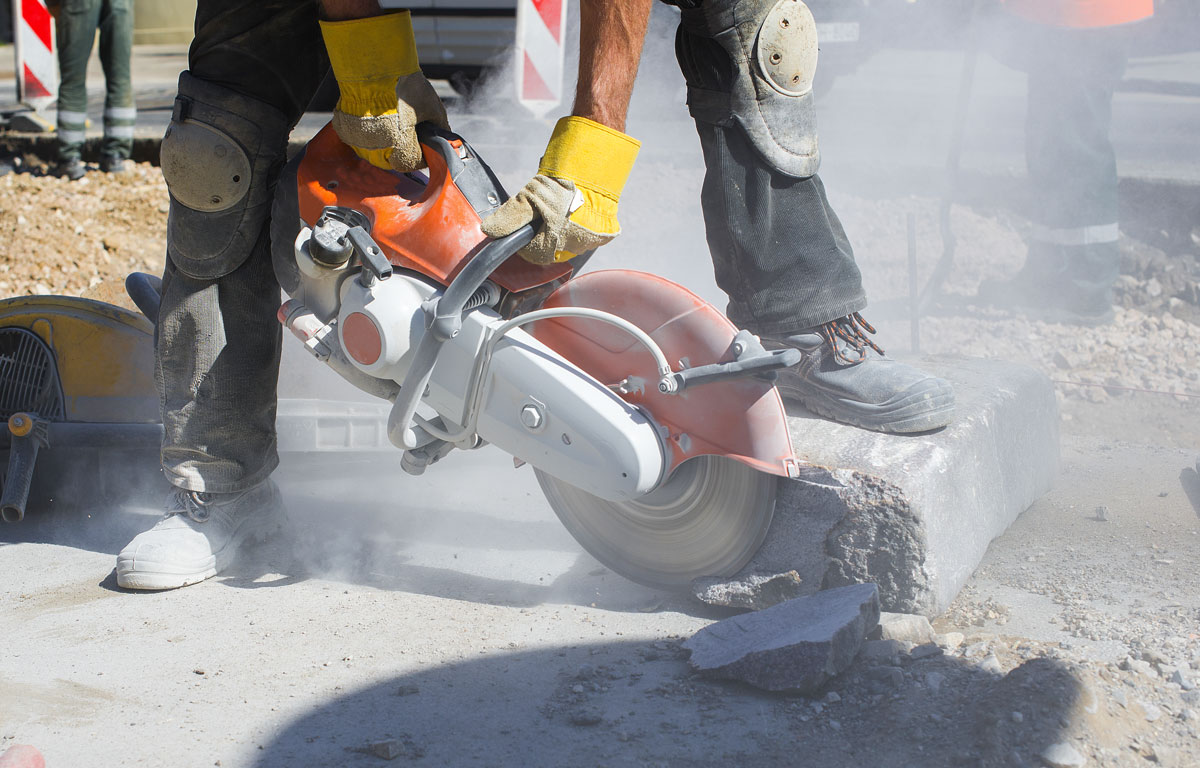



Concrete is the backbone of modern construction, prized for its strength, durability, and ability to be molded into virtually any shape. Whether used for foundations, walls, bridges, or industrial floors, concrete provides a solid, long-lasting structure. Unlike other building materials such as masonry, which relies on mortared joints, or wood and metal, which require nails, screws, and fasteners, concrete is a monolithic material — seamless and inherently strong. However, while concrete is highly resistant to compression, it lacks flexibility. This rigidity makes it susceptible to cracking when subjected to external forces such as soil movement, temperature fluctuations, impact, and internal factors like corrosion of embedded reinforcement (rebar). That’s where epoxy injection comes in.
Why Does Concrete Crack?
Even though concrete structures are built for strength and longevity, they are not immune to the forces that impact all buildings and infrastructure. Some common causes of concrete cracking include:
Soil Settlement and Movement – Changes in the ground beneath a structure can lead to shifting and settling, putting stress on the concrete.
Temperature Variations – Thermal expansion and contraction cause concrete to expand in the heat and shrink in the cold, leading to stress fractures.
Rebar Corrosion – Over time, moisture and chemicals can penetrate concrete, reaching the reinforcing steel and causing it to rust. As the rebar expands, it exerts pressure on the surrounding concrete, leading to cracks.
Structural Overloads – Excessive weight, unexpected loads, or impact from heavy equipment can introduce stresses beyond the concrete’s capacity.
Vibration and Dynamic Forces – Machinery, traffic, and even seismic activity can generate movement that compromises the integrity of concrete structures.
While some cracks are inevitable, they should never be ignored. If left untreated, even minor cracks can allow moisture penetration, which accelerates deterioration and leads to larger structural issues.
Epoxy Injection: A Proven Solution for Concrete Crack Repair
For non-moving cracks that do not involve control or expansion joints, epoxy injection is one of the most effective and economical repair methods available. This process restores the concrete’s original strength and prevents further degradation by sealing the crack from moisture and contaminants.
Recommended Product: Adhesives Technology Crack-Kit
When Should You Use Epoxy Injection?
Epoxy injection is best suited for cracks that result from external stresses or physical damage rather than ongoing structural movement or rebar corrosion. Before proceeding with repairs, it’s crucial to determine the underlying cause of the cracking. If the issue stems from rebar corrosion, the damaged concrete should be removed, the rebar properly treated or replaced, and an appropriate repair material applied before considering epoxy injection.
However, if cracking is due to impact damage, settlement, fire exposure, excessive vibration, or equipment failure, epoxy injection offers a cost-effective solution to restore structural integrity. Addressing the root cause first ensures that the repair will be long-lasting and prevent future cracking.
Step-by-Step Guide to Epoxy Injection
Proper application of epoxy injection is critical to achieving a strong, permanent repair. Below is a step-by-step breakdown of the process:
Step 1: Install Surface-Mounted Ports
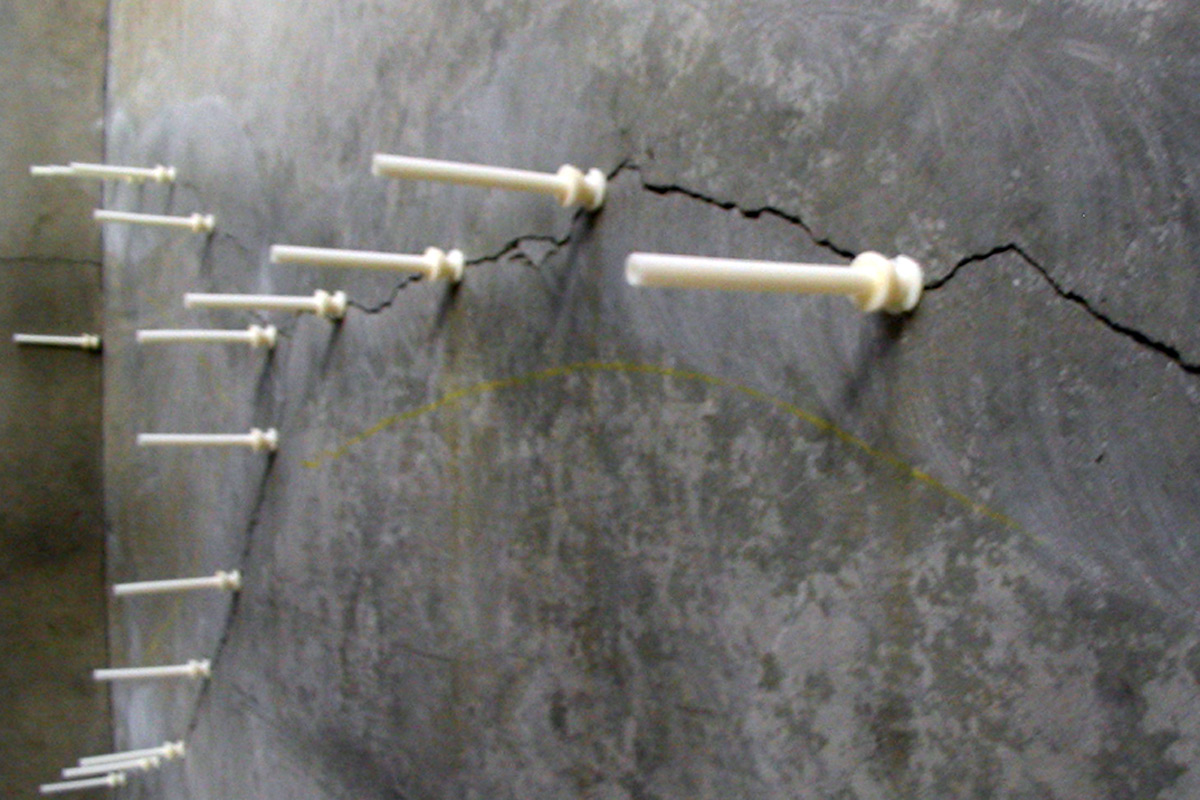
Injection ports are small fittings that allow the epoxy to flow directly into the crack. These ports are adhered to the surface using a gel epoxy, ensuring a secure bond. When positioning the ports, it’s important to leave the crack open directly beneath each one — this is where the epoxy will be injected.
Available: Surface Mounted Ports
Step 2: Seal the Crack with Epoxy Paste
Once the ports are in place, a high-strength epoxy paste is applied over the crack between each port. This seal prevents the epoxy from leaking out during injection, forcing it deeper into the crack and ensuring maximum penetration.
Recommended: Adhesives Technology Crackbond Epoxy Repair Paste
Step 3: Inject the Epoxy
The epoxy is injected under pressure through the ports, filling the crack completely. Most systems use a dual-cartridge setup that mixes the epoxy components just before injection. Starting at the lowest port, epoxy is introduced until it begins to emerge from the adjacent port, indicating full penetration. This process is repeated from port to port until the entire crack is filled.
For larger scale projects, Sika Sikadur 35 LV will get the job done.
For smaller scale projects, Adhesives Technology Miraclebond is ideal.
Why Epoxy Injection Works
Unlike surface sealants or temporary patching methods, epoxy injection bonds with the existing concrete, restoring its load-bearing capacity and preventing moisture ingress. The repaired section will often be stronger than the surrounding concrete, making it a durable, long-term solution.
While epoxy injection is an effective method for crack repair, it is not suitable for every situation. Cracks in control or expansion joints, structural movement, or extensive corrosion-related damage require alternative repair techniques. If you’re unsure whether epoxy injection is the right solution for your concrete structure, consulting with a professional can help ensure the best approach for long-term stability.
By addressing concrete cracks promptly and using the correct repair techniques, you can extend the lifespan of your structures, prevent costly damage, and maintain the integrity of your investment.
Frequently Asked Questions (FAQ)
1. How long does it take for epoxy injection to cure?
The curing time for epoxy injection typically ranges from 4 to 24 hours, depending on the specific product used and the ambient temperature. In warmer conditions (above 75°F), the epoxy will set faster, while colder temperatures can significantly delay the hardening process. Always check the manufacturer’s technical data sheet for precise load-bearing times.
2. Can I use epoxy injection on wet or leaking cracks?
Standard structural epoxies generally require a dry environment to bond effectively. If the crack is actively leaking water, polyurethane foam injection is usually the better choice, as it reacts with moisture to expand and create a seal. However, there are specialized moisture-insensitive epoxies available for damp (but not actively flowing) concrete.
3. Will epoxy injection fix a foundation crack permanently?
Yes, for non-moving (static) cracks, epoxy injection is considered a permanent structural repair. Because the epoxy bond is often stronger than the concrete itself, it effectively fuses the two sides of the crack back into a monolithic unit. However, if the underlying cause of the movement (like poor drainage or soil erosion) isn’t addressed, a new crack may eventually form nearby.
4. How do I know if a crack is “structural” or just cosmetic?
Generally, any crack wider than 0.05 inches (about the thickness of a credit card) or cracks that run entirely through a wall or floor should be evaluated for structural repair. If you notice a “stair-step” pattern in masonry or a crack that is wider at the top than the bottom, these are signs of settlement that require structural epoxy injection or professional stabilization.
5. Can I paint over the concrete once the epoxy is injected?
Absolutely. Once the injection is complete and the surface-mounted ports are removed, you can grind away the hardened epoxy paste (Step 2) to create a flush surface. After the area is cleaned and smoothed, it can be painted or coated to match the surrounding concrete seamlessly.