


Construction

Beat the Heat: How to Protect Your Grout Pours in Hot Weather
As spring transitions into summer, rising temperatures create serious challenges for contractors planning a grout pour. Unpredictable heat can make or break a grouting application, and understanding how high temperatures affect your grouting materials is the...

How to Use a Headbox for Equipment Baseplate Grouting
If you're new to equipment grouting, one of the first things you'll discover is that getting grout to flow completely under a baseplate is harder than it looks. Tight gaps, long flow distances, and limited access points can all work against you. When a simple gravity...

Liquid Densifiers for Existing Concrete Floors
Concrete is naturally porous. Even a high-quality slab contains microscopic voids and "free lime" (calcium hydroxide) left behind as the concrete cures. For a flooring contractor, these pores are a liability. They allow for concrete dusting, chemical staining, and...

Guide: Choosing the Right Grout Installation Method
When it comes to grout installation, selecting the right application method can make or break your project. The way you mix, place, finish, and protect your grout all hinges on one critical decision: which installation technique fits your situation best? What Drives...

Rethinking Equipment Foundation Pours
Every construction professional has faced that moment. The schedule is tight, the owner is anxious, and there's simply no room for delays. In situations like these, the materials you choose can make or break your timeline. For equipment foundation pours, ready-mixed...

Six Critical Challenges of Large Epoxy Grout Pours
Working with epoxy grout on large-scale industrial projects is both an art and a science. Whether you're mounting heavy machinery, installing turbines, or securing critical equipment foundations, the success of your project hinges on achieving complete, void-free...

How Temperature Affects Grout Strength
When planning a grouting project, temperature could determine whether you'll meet deadlines and performance specifications. Understanding how temperature impacts grout strength isn't as simple as checking the weather forecast. The thermal dynamics at play are complex...
Understanding Grout Consistency
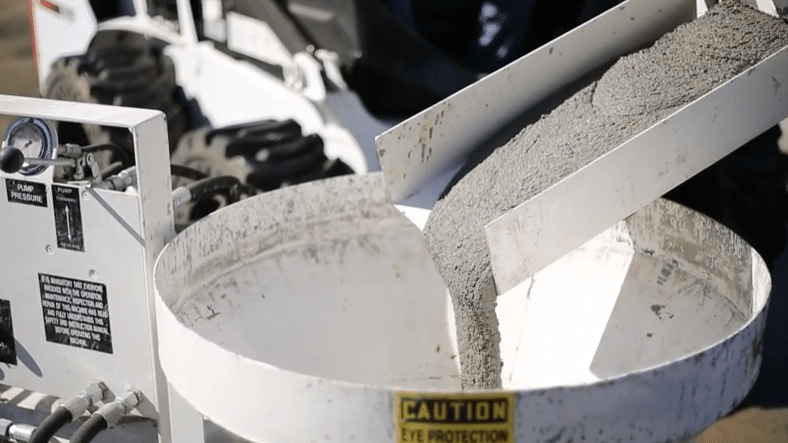
Choosing the right grout consistency could be the difference between a successful installation and a costly failure. The most technically advanced grout in the world is worthless if it can't reach every void and cavity in the installation space. Grout must transfer...

Beyond Compressive Strength
When it comes to selecting the right grout for industrial applications, most professionals immediately focus on compressive strength. While this property is undeniably important, it's just one piece of a much larger puzzle. Understanding the complete picture of grout...
Grouting in Tight Spaces
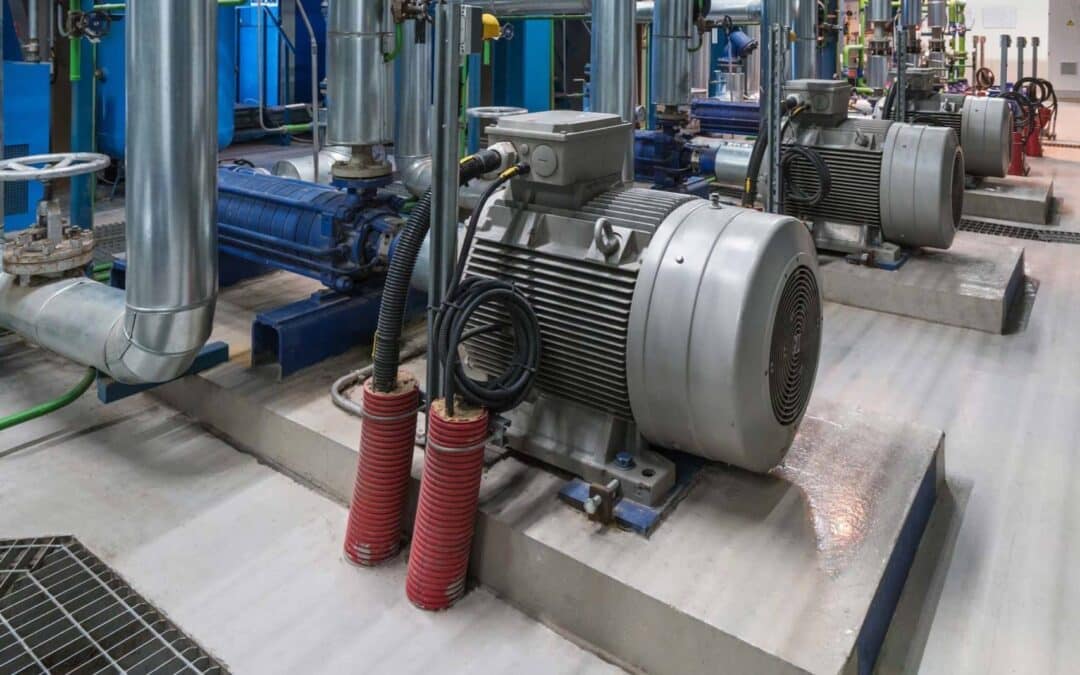
We've all been there: standing in front of a piece of equipment that needs grouting, wedged into a space that seems designed by someone who never considered maintenance access. Maybe it's a pump base squeezed between a concrete wall and a massive chiller, or a motor...
Step-by-Step Guide to Equipment Grouting
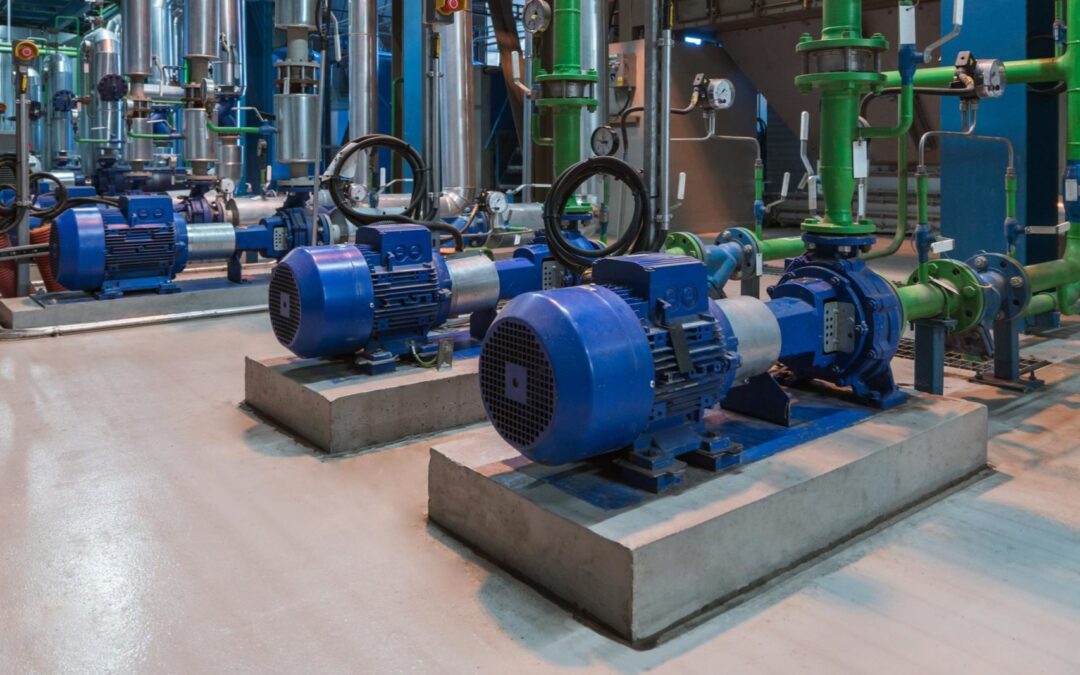
When it comes to industrial equipment, proper grouting is essential for stability, longevity, and performance. Whether you're re-grouting a pump or securing heavy machinery, following the correct process ensures a solid foundation and prevents premature failure. If...

Epoxy Grouting When the Seasons Change
Epoxy grout is essential for industrial projects, but cold weather can make application challenging. With a smart approach to cooler days, you can avoid delays and keep your project on track without extra hassle. Epoxy grout is essential when working with rotating...
Joint Fillers vs Joint Sealers
Concrete joint sealants and joint fillers are different in both chemical formulation and intended use. Elastomeric Joint Sealants are cold-applied elastomeric single or multi-component materials used for sealing, caulking, or glazing operations on buildings, plazas,...

Why Grout Pumping Beats Pouring
Traditional grouting has long been a labor intensive task that most people don’t look forward to doing. While its clear that grouting is a crucial step in the installation process, it doesn’t always get the same attention as other steps in the installation process....
Maintenance

What It Takes to Maintain Concrete Around the Paper Machine
We've previously discussed the importance of smart infrastructure repair for paper mills. Today, let's explore the specialized maintenance requirements for concrete infrastructure surrounding paper machines, where proper care can mean the difference between smooth...

Thin Epoxy Overlays: The Right Fix for Delaminated Concrete
When concrete roadways, plant floors, or production areas develop thin delaminations, a thin epoxy overlay is often the smartest, fastest repair. The damage is too shallow for a traditional deep patch but too widespread to ignore, and trying to force a cement-based...

Identifying and Repairing Common Cracks in Concrete Overlays
Cracking in concrete repairs and overlays happens far more often than most facility managers want to admit. A repair that cracks within days of placement turns a planned investment into a problem, and in some cases, into a weakened surface that can't perform the way...

Extending the Life of Your Pump Foundations – Chemical Attack
In heavy industrial environments, pump foundations are under a constant state of siege. Between normal operating vibration and the presence of highly aggressive chemicals, these concrete bases often deteriorate long before the equipment they support. While the...

Paper Machine: Quick and Easy Metal Repair
Planned maintenance outages are never as long as you'd like them to be. With major overhauls and priority tasks commanding most of the schedule, smaller repairs have a habit of getting pushed to the final hours of the day, sometimes just a few hours, if that. The...

Pipe Leak Repair in Paper Machine Operations
The Challenge of Maintaining Hydraulic Integrity Paper machines represent some of the most demanding environments for pipe systems in industrial settings. With constant exposure to moisture, heat, chemicals, and mechanical stress, pipes throughout the facility face...

Crane Rail Repair in Paper Woodyards
In a paper woodyard, the chipper serves as the heartbeat of the entire production process. For the mill to maintain its rhythm, it requires a relentless supply of wood, a task that falls squarely on the main unloading crane. These cranes are engineered for high-volume...

Slab Sweating Syndrome: Protecting Your Finished Product
Your finished product has to be delivered to your customer in new condition. Nobody would accept your goods if they weren't in top condition. That's why you spend time, effort, and lots of your budget on protecting the condition of your product prior to shipping. The...

Three Common Methods for Vertical and Overhead Concrete Repair
When it comes to vertical and overhead concrete repair, choosing the right method can be the difference between a smooth project and a costly headache. Whether you're tackling structural concrete restoration on columns, beams, parking garage ceilings, or bridge...

Protecting Concrete from Corrosion and Chemical Attack
Concrete is one of the most durable building materials we have, but it's not invincible. Acids eat away at it. Chlorides work their way in and corrode the rebar. Moisture finds every crack and pore. Left unprotected, even well-placed concrete will eventually fail. The...

Choosing the Right Materials for Metal Repair
Epoxy compounds — especially epoxy putties and pastes — are among the most effective materials for repairing metal surfaces. From sealing cracks and holes to rebuilding corroded steel, these products offer a reliable solution for both temporary fixes and long-term...

What You Need to Know About Cold Weather Concrete Repair
When the temperature gauge starts dropping, facility managers face a crucial decision about concrete repairs. Do you rush to complete that warehouse floor patch before the freeze hits, or wait until spring? Understanding how cold weather affects concrete repair can...

Facility Maintenance: Guide to Cold Weather Preparation
The first frost is nature's warning shot. For facility managers across manufacturing plants, warehouses, and industrial facilities, it signals the start of the most challenging season of the year. While you can't control the weather, you can absolutely control how...

5 Campus Maintenance Areas That Make or Break Budgets
Campus facilities management is one of the most challenging yet rewarding aspects of higher education infrastructure. With thousands of students, faculty, and staff depending on functional spaces daily, maintenance teams must balance immediate repair needs with...
Engineering

Understanding Grout Additives
When it comes to grouting, success depends on understanding what's inside your product and how to activate it properly. Whether you're a seasoned contractor or tackling your first major project, the difference between success and failure often comes down to one...

Epoxy vs Cement Grout. Which is Right?
When you're preparing to install new equipment — whether for an upgrade or a brand-new process — you know every component, its function, and potential failure points. You've designed the setup to maximize productivity and efficiency. Now, you need to reduce the risks...

Concrete Replacement
Replacing concrete with concrete makes perfect sense. It’s just not always the best choice given your schedule and the clients expectations.

Resurfacing vs. Replacement: How to Restore the Function of Your Floors Quickly
It’s hard to believe that it makes sense to “repair” a slab with extensive and continuous damage. If you’re thinking about a conventional “patch job”, you’re right. You’d never be able to justify the time for prep on dozens or even hundreds of small areas much less...

You Don’t Have to Wait to Repair Tank and Pit Linings
Discovered damage in your pit or chest linings? Regular inspections are key to planning work for mill outages. Once you’ve made an assessment, you have an idea of what you’ll need to plan for on the schedule and for your budget. Most people still wait to perform the...
Stop putting off re-grouting because you don’t think you have time to do it.
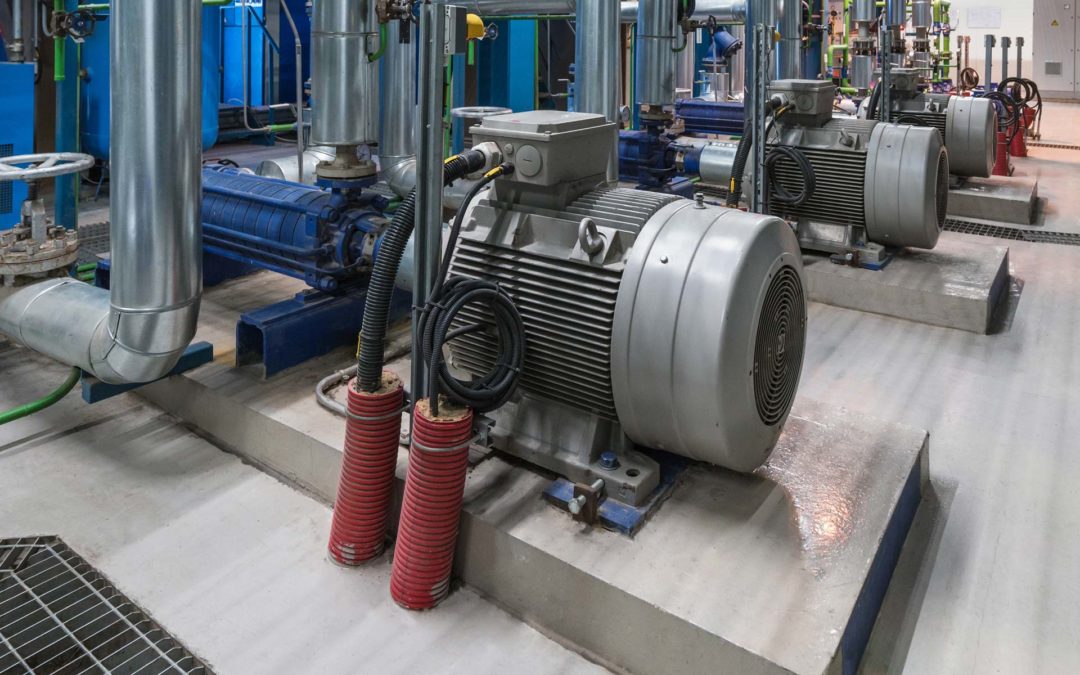
Still think your only option for re-setting and grouting equipment is waiting on a semi-annual shutdown? The truth is, cement and epoxy technology has advanced just like your office computer. New materials and additives have produced products for grouting that allow...

Product Selection Guide for Restoring Your Foundation & Grout In One Step
Take a look at the range of materials you can use to restore your foundation and grout in one step. Material Chemical resistance Yield per unit Yield extended with gravel per unit Equipment needed SR Deep Pour Epoxy Grout General, mild acids and caustics 2.0 cubic...
Encapsulation Explained & How This Technique Can Be Used When Restoring & Protecting Pump Foundations
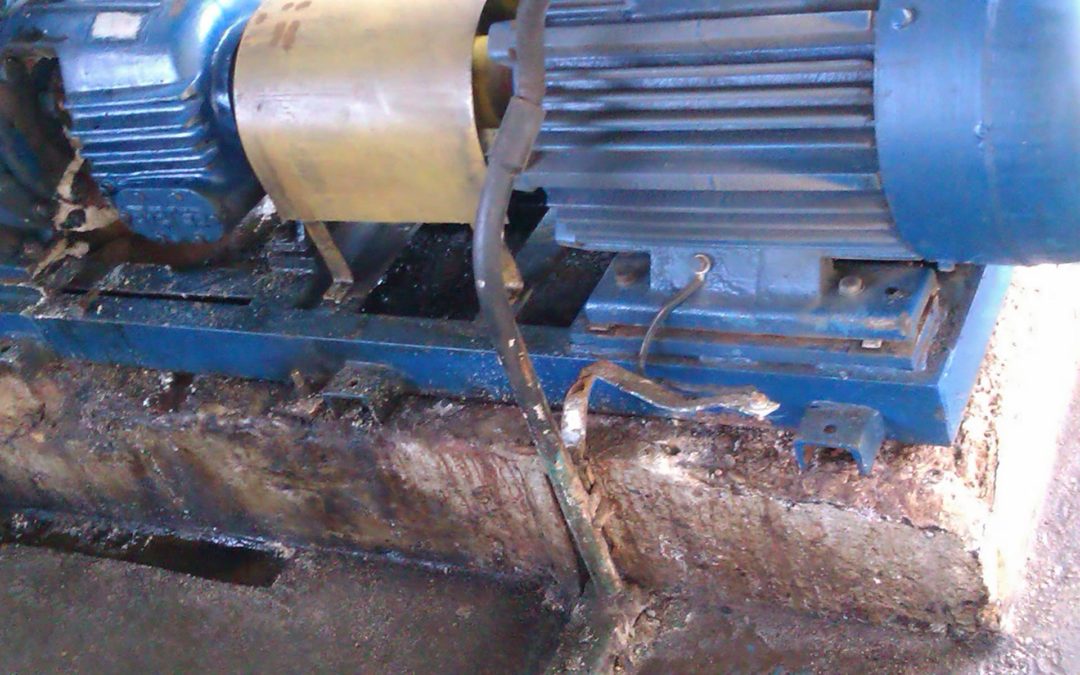
When restoring and protecting pump foundations, you can use the same chemical resistant patching materials (mentioned in our guide “Product Selection Guide for Chemical Resistant Concrete Repair Materials”) in one step. You can use those same materials you used to...
Product Selection Guide for Sealants for Exterior Control and Expansion Joints
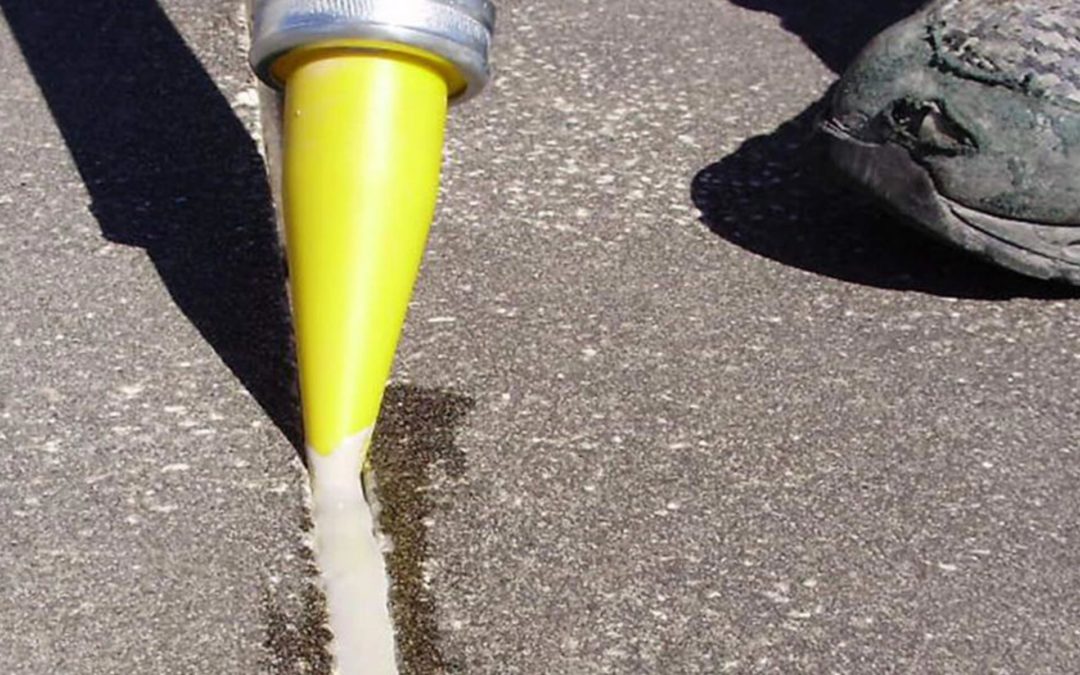
Material Joint Type Consistency Chemical resistance Tools needed Sika 1C SL Self-leveling For light traffic, no chemicals Caulk Gun Sika 1A Non-sag For light traffic, no chemicals Caulk Gun Sikasil 728 SL Expansion or control joints Self-leveling Fuels Caulk Gun Sika...

Product Selection Guide for Containment Coatings
SR Epoxy Sealer Long Term Immersion (LTI): the coating will be immersed in the solution for extended periods of time. Short Term Immersion (STI): the coating will be immersed for up to 72 hours. Splash Zone (SZ): the coating will be exposed to the solution for only...

Make Sure the Coating You Choose is Up to the Task
In today’s industrial and chemical production landscape, the diverse range of chemicals and compounds demands more than a one-size-fits-all approach to containment coatings. Selecting the right product requires a thoughtful evaluation of several critical factors to...
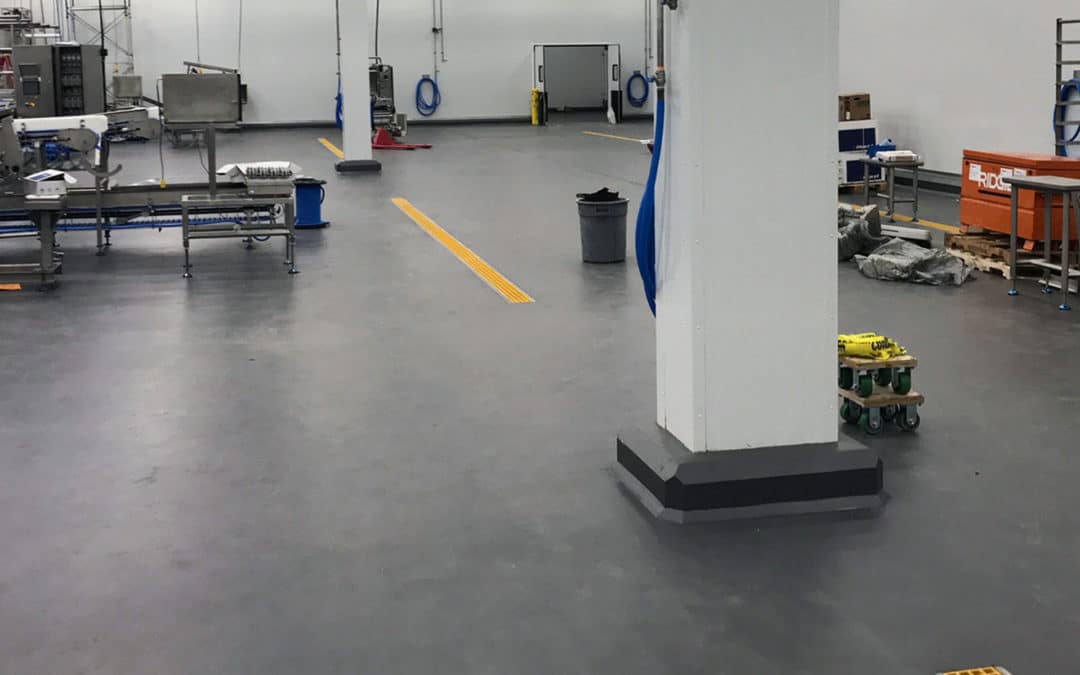
How Quickly Can My Equipment Return to Service After Grouting?
Time is money, especially when it comes to industrial operations. In today's fast-paced world, nearly every process equipment installation is time-sensitive. Ultra-competitive markets and razor-thin profit margins leave no room for extended downtime. Even planned...
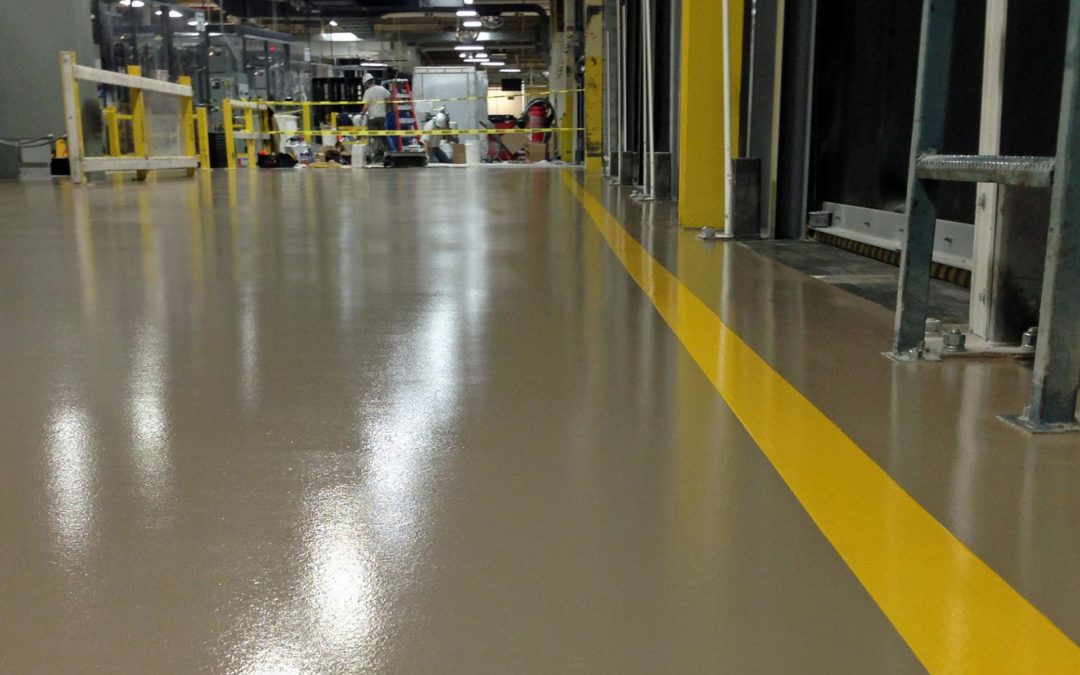
Versatility of Urethane Cements
Concrete floors face a diverse range of challenges, from chemical exposure to physical wear and tear, making protective coatings a crucial investment in industrial and commercial settings. While epoxy-based coatings have long been a popular choice for sealing and...

OSHA’s New Regulations for Silica Dust
Proper dust collection systems for mixing operations are important not only for the health and safety of your crew, but also the health of your business. If you fail to meet the OSHA standards, you could receive a serious and extremely costly violation. OSHA's...
Have questions you don't see answered here?
Whether you’re in need of technical help or are looking for a product or piece of equipment you can’t find, we’re always happy to point you in the right direction.