



When concrete roadways, plant floors, or production areas develop thin delaminations, a thin epoxy overlay is often the smartest, fastest repair. The damage is too shallow for a traditional deep patch but too widespread to ignore, and trying to force a cement-based fix into a thin profile can cost you labor, downtime, and worker safety. Done right, a layered epoxy overlay restores the surface, adds abrasion resistance, and gets traffic moving again with minimal disruption.
When Cement-Based Repair Works (and When It Doesn’t)
Cement-based traffic patch materials have their place in any concrete repair program. If an area is deeply damaged, cracked through, and has to be demoed down to sound concrete, fast-setting cementitious products can take you back to a paving-grade repair and get you back in service quickly. That’s a solid approach for deep work where you need structural restoration.
The problem shows up when the damage is shallow. Plenty of thin-applied cementitious materials exist, but they have real limitations under heavy traffic, forklift loads, chemical exposure, and continuous abrasion. Thin sections of cement-based material can also be brittle when they take impact. If the area sees punishing service, a thin epoxy overlay typically holds up better and lasts longer.
Why Going Deeper to Patch Is the Wrong Move
One temptation with thin delaminations is to demo down further so you can pour a deeper cement-based repair. That sounds reasonable on paper, but it creates problems:
- You’re removing sound concrete that didn’t need to come out, which adds labor and material cost.
- The demo itself can damage adjacent concrete depending on the equipment and technique.
- Going deeper takes longer, and longer demo means more time managing traffic control on a roadway or rerouting forklifts and foot traffic in a plant.
- Workers spend more time exposed to live traffic or operating equipment. That’s a safety issue you can avoid.
Stack those factors up and an epoxy overlay starts looking like the smarter call for shallow concrete delamination repair.
How to Build a Thin Epoxy Overlay
Epoxy bonds chemically to itself as long as you stay inside the recoat window, which means you can build up thin layers to reach your target depth without sacrificing strength between coats. Here’s the basic sequence for a broadcast epoxy overlay system:
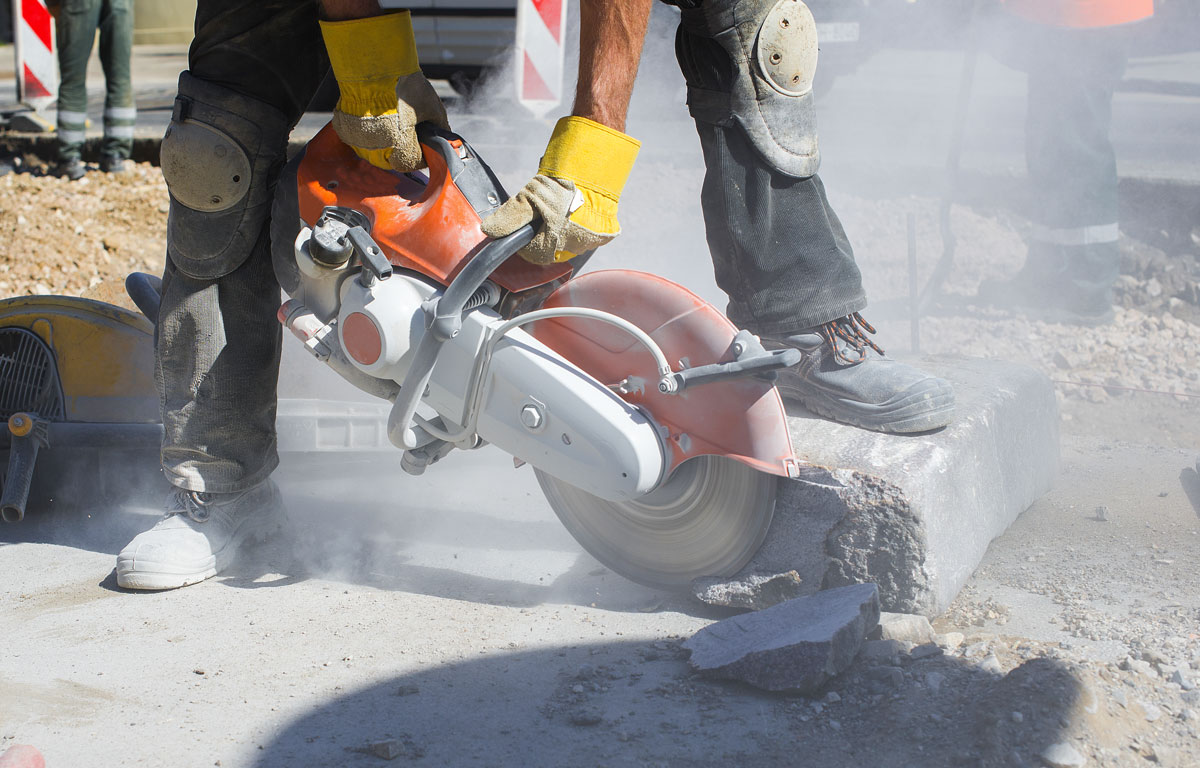
- Remove all loose concrete. Pay close attention to the edges of the delamination. Don’t just sweep it. Use a low-impact method like a bushing head on a small hammer drill, or a manual tool that won’t fracture the surrounding concrete. Aggressive impact equipment can crack sound concrete and grow your repair area.
- Clean the surface. Get rid of dust, oils, and any other contaminants. The bond depends on it.
- Mix and apply a low-viscosity epoxy. Pour it out and spread it across the surface immediately. Squeegee it even, then back-roll with a thin nap roller to work it into the rough texture of the concrete. Spreading it out fast also matters because epoxy generates heat in mass. Leave it sitting in the pail and you’ll cut your working time, risk a premature set, and in extreme cases get the pail smoking. Low-viscosity products like Euclid Flexolith and Sika Sikadur 22 are common choices for this kind of work.
- Broadcast aggregate to rejection. Kiln-dried sand is the most common choice. Hard screened gravel adds significant abrasion resistance and works well where heavy traffic or wet conditions demand more grip and durability.
- Let it harden, then sweep off the excess. This typically means overnight, though faster-setting epoxies can take initial set in a couple of hours.
- Repeat until you reach the target depth. Reapply epoxy, broadcast aggregate, sweep, and repeat until the overlay is built up flush.
When to Switch to a Slurry Overlay
If your repair is going to take more than about three lift-and-broadcast cycles, you should consider switching to a slurry overlay. Mix the epoxy with aggregate as a slurry, fill the area in one application, and you’re done. It’s a one-step version of the layered process, easier to control on the timing side, and it doesn’t take a lot of equipment or a big crew.
Why Epoxy Overlays Belong in Your Maintenance Toolkit
Epoxy overlays earn their keep on jobs where deep demo isn’t justified and you need traffic back fast. They’re easy to do, the equipment list is short, the timing is manageable, and a small crew can cover a lot of square footage in a shift. For thin delaminations under traffic, that combination is hard to beat. The chemical bond, abrasion resistance, and ability to build to any depth in thin lifts make epoxy a reliable solution for concrete delamination repair across roadways, warehouses, paper mills, and food production floors.
Key Takeaways
- Thin delaminations don’t need deep demo. Going deeper to chase a different material wastes labor and creates new safety problems.
- Cement-based traffic patches work well for deep repairs but can struggle thin under heavy traffic, chemicals, or continuous abrasion.
- Epoxy bonds chemically to itself within the recoat window, so layered thin builds work without losing strength.
- Surface prep matters. Loose material at the edges, dust, and oils all kill the bond.
- Broadcast aggregate gives you abrasion resistance and slip resistance where you need it.
- Three cycles or more? Consider a slurry overlay instead.
Get the Right Epoxy Overlay for Your Job
Need help selecting a thin epoxy overlay system for your floor, roadway, or production area? Give us a call at 888-809-2365 and we’ll help you match the product to the conditions on your jobsite. Don’t forget to check out our line sheet to see everything we have to offer.