


Epoxy grout is essential for industrial projects, but cold weather can make application challenging. With a smart approach to cooler days, you can avoid delays and keep your project on track without extra hassle.
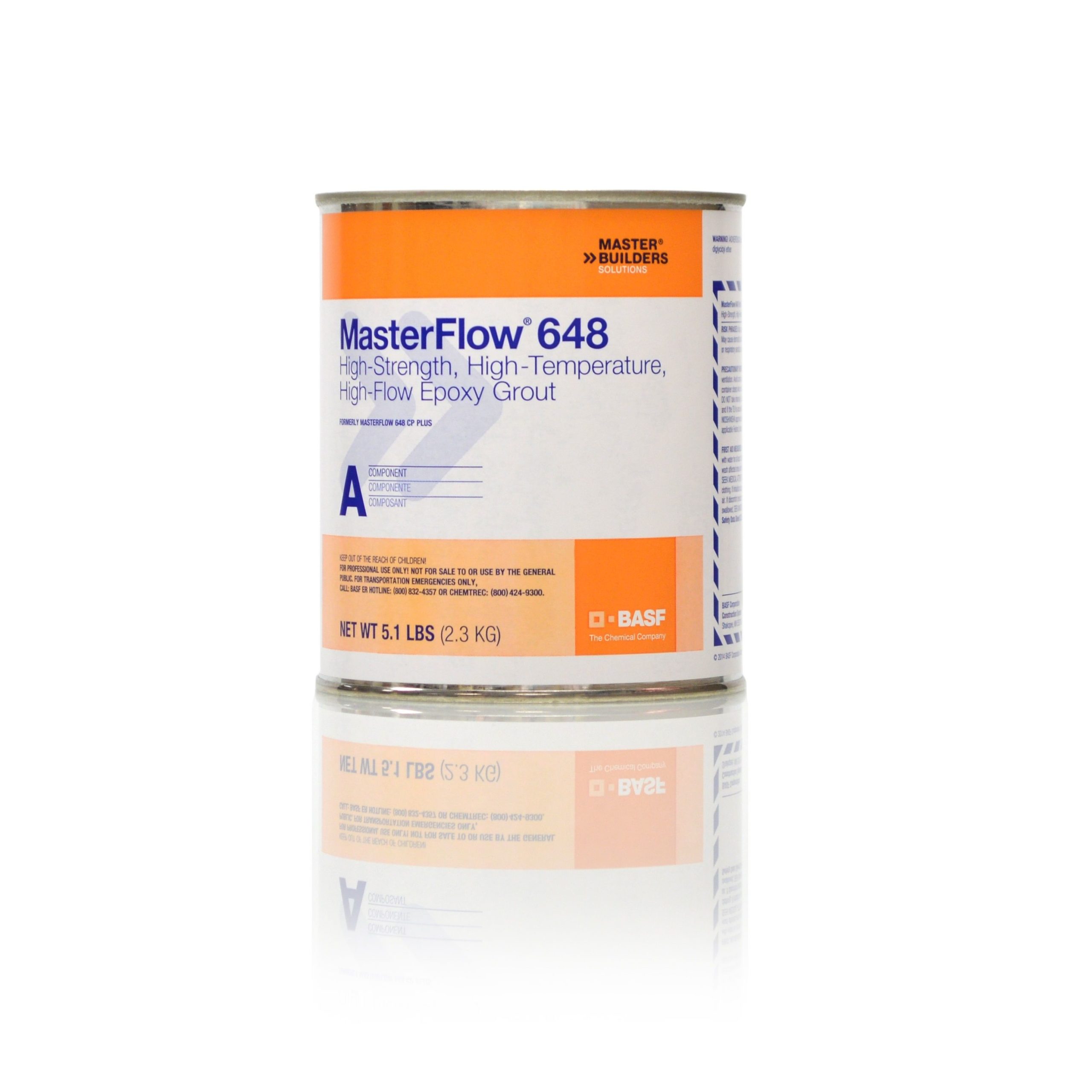
Epoxy grout is essential when working with rotating equipment in heavy industries. It’s a trusted solution for ensuring that machines and structures stay firmly anchored, even under intense conditions. However, one thing we all know about epoxy grout is that cold weather can throw a wrench into the works. When temperatures drop, installing epoxy grout becomes a challenge. Typically, we end up building temporary shelters, heating everything from the grout to the equipment, and waiting days for the right conditions. While this process works and ensures a strong, durable result, it’s not exactly a quick or easy fix. But cold weather grouting? We’ve got it figured out. It’s not the most enjoyable part of the job, but we know how to get it done right when the cold rolls in.
But what about those “in-between” times of the year? You know, when it’s not freezing cold, but not quite warm enough for optimal epoxy grout conditions either? These are the days when it’s cooler than the recommended temperature for the grout—until much later in the afternoon. If you’re in the southern states, this might happen in late fall, winter, or even early spring. For those in the Midwest or Northeast, these temperature swings are more likely to occur in early to mid-spring or early fall. Picture it: it’s 55 or 60 degrees by 3 p.m., and for a moment, you think, “This should be warm enough to grout, right?” But here’s the catch—it’s still too cold for epoxy grout to properly cure without additional heat.
During these times, the temptation is to reduce or stop heating altogether. After all, maintaining heat means extra labor. Someone has to monitor and refuel the heaters constantly. You’ll need a fire watch at night. And if you’re not working 24/7 on-site, keeping the heat going adds an extra layer of logistical headache and cost. It’s a lot to deal with for just a few degrees difference, and it can slow down your entire project. But here’s the good news: there’s a better way.
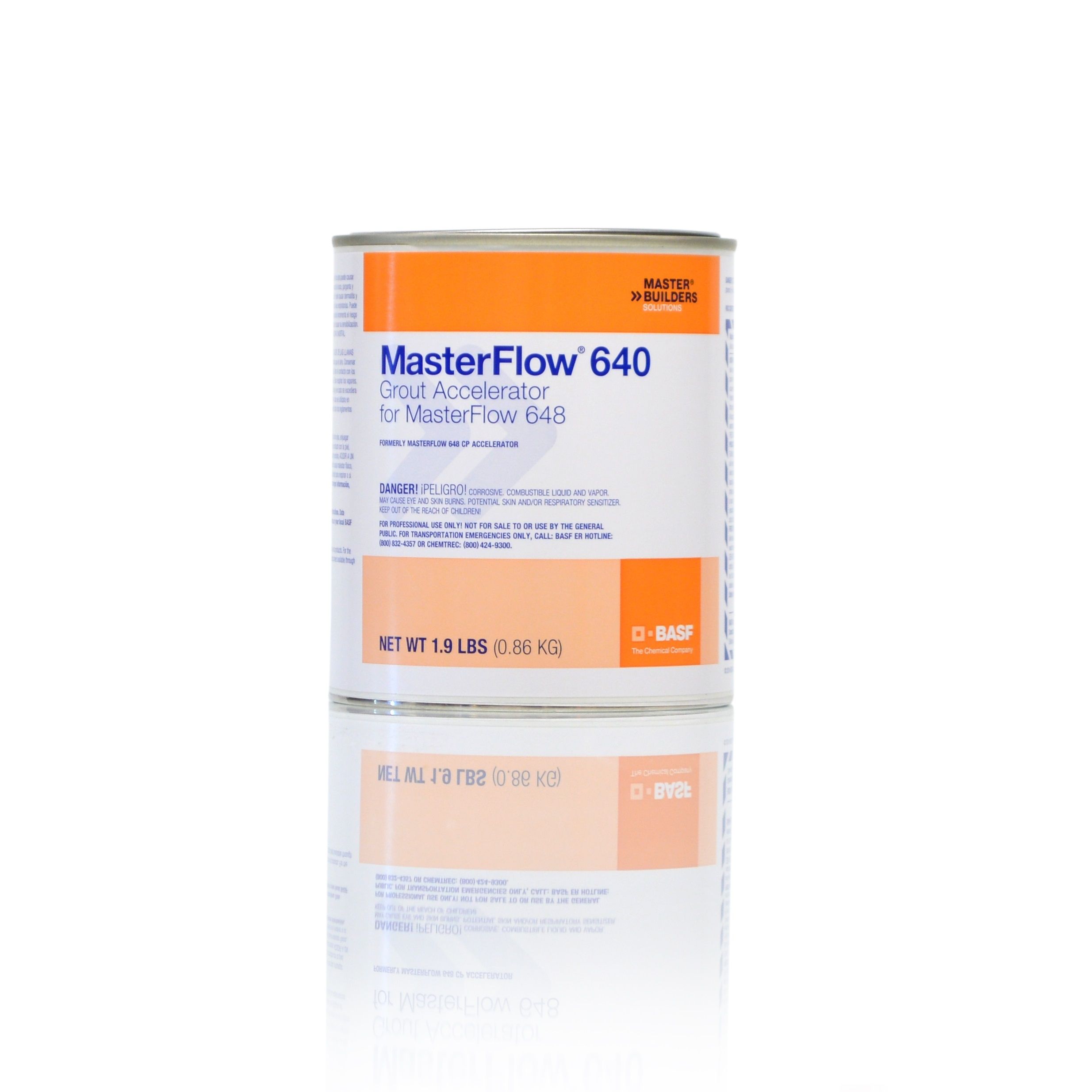
When temperatures dip below 60 degrees, instead of relying on constant heating, you can accelerate the epoxy grout. Using an accelerator ensures much higher early strength without the need for continuous heating. This solution can save hours of labor that would otherwise be spent managing heaters, and it significantly speeds up the process. No more wasted energy, and no more delays just waiting for the temperature to cooperate. Accelerating epoxy grout is the smarter, more efficient option when you’re dealing with cooler days and fluctuating temperatures.

MasterFlow 640 grout accelerator is especially useful when working in remote or hard-to-reach areas where setting up heating equipment would be difficult or impractical. Think of deep water or wastewater structures, tunnel infrastructure, or other inground locations that maintain a constant cool temperature year-round. These places are particularly challenging for traditional grouting methods. But with an accelerated system, you can stay on schedule and achieve the necessary strength in the grout without worrying about maintaining heat for days on end.
Plus, when those cool days sneak up on you in the middle of a project, this method can help you regain lost time. You’ll be able to move forward without halting progress just because the temperature won’t stay consistently warm.
So, as winter approaches, and those cool days start threatening your project schedule, give us a call. We’ve got the tools and the know-how to keep your project on track, no matter the temperature. Accelerating your epoxy grout could be the key to staying efficient, cutting down on labor, and keeping things moving smoothly—even when the weather doesn’t cooperate.
Don’t forget to check out our line sheet to see all we have to offer!